MTVancouver KDD · 1:2 career mentoring · Vancouver · Aug 2025
Mentoring at the 5th KDD Korean Tech Conference: Technology in Uncertainty
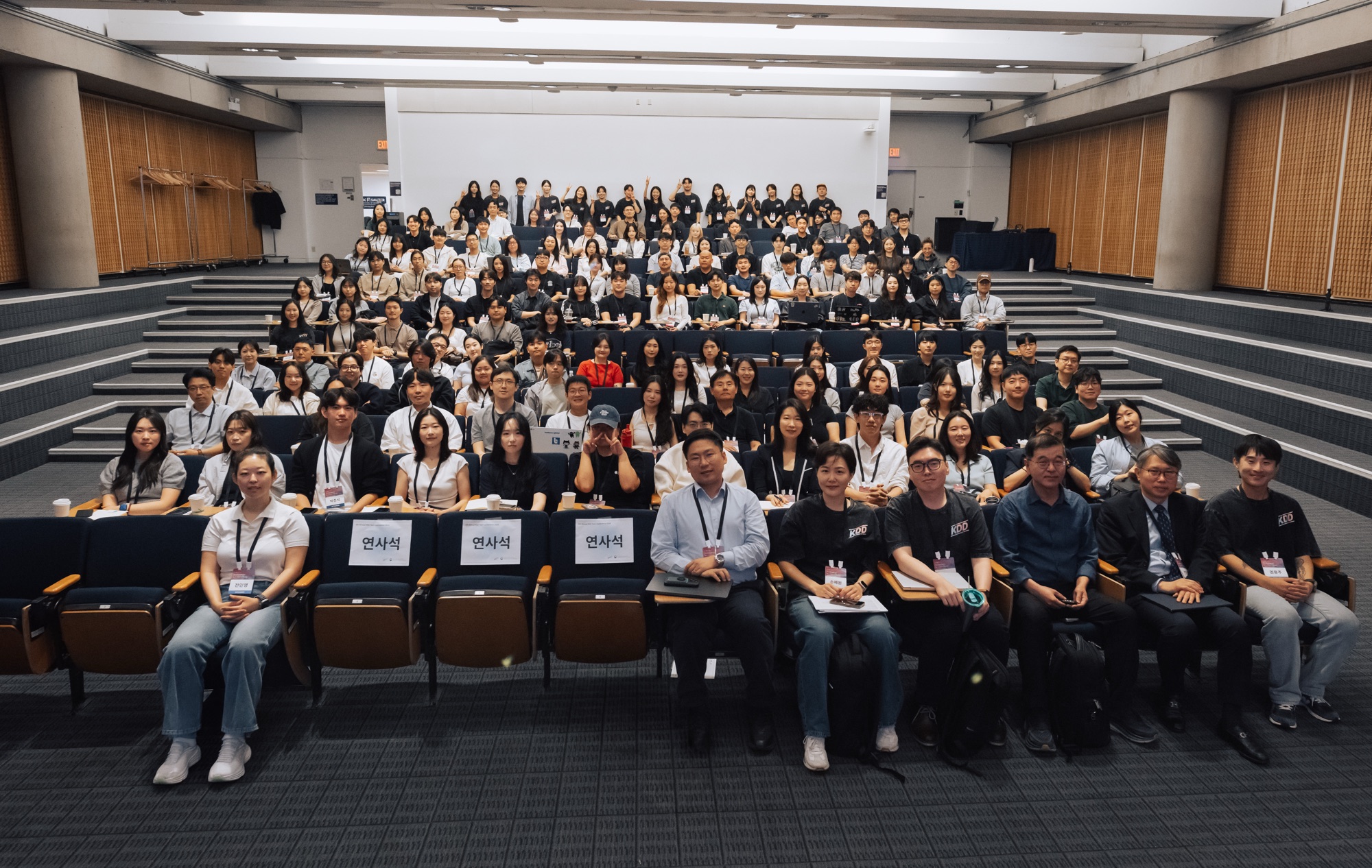
I joined the fifth annual KDD Korean Tech Conference as a career mentor. At a conference of 211 people, the 1:2 format created space to turn broad industry uncertainty into each participant's context, direction, and next test.
The conference treated uncertainty as a question to work with
By 2025, change in technology careers was no longer an abstract discussion. AI was reshaping how people worked, hiring felt harder to read, and many people were trying to decide which skills and experiences would still matter.
Vancouver KDD brought those questions into a full-day conference attended by 211 people. Speaker sessions offered different perspectives on change. The mentoring program then gave participants a smaller place to ask what those changes meant for their own careers.
A 211-person conference still made room for context
I participated as a career mentor, bringing the perspective of a product designer who has also worked across product management, project leadership, and design teams in Korea and Canada.
The value of the 1:2 format was simple: it made room for context. A large talk can surface a useful idea, but a career decision depends on where someone is starting, what experience they already have, and what they can realistically do next.
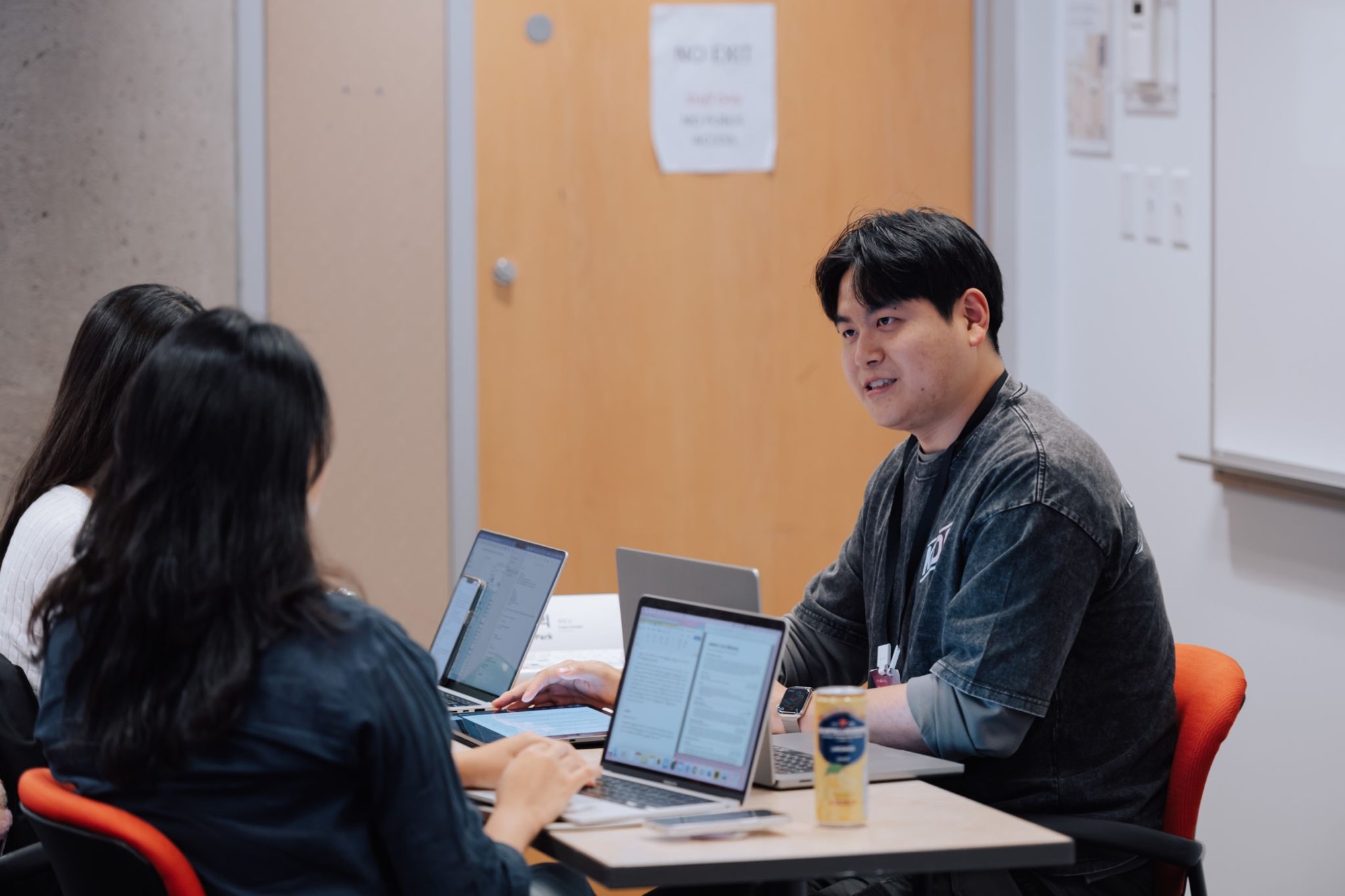
I was not there to give one answer. My role was to listen for the decision each participant was actually trying to make and narrow the next step until it could be tested.
We started with context, then chose one next test
A job title can hide the actual question. Someone may be asking whether their previous experience still counts, how to enter a new market, or whether the skills they are building lead toward the work they actually want.
We first looked at the experience, strengths, and constraints the participant already had. Then we clarified the kind of problem, team, and responsibility they wanted next.
Finally, we chose one realistic way to test that direction through a project, conversation, or application.
The conversation did not remove uncertainty. It turned a broad concern into a smaller decision someone could work on.
Talks widened the view; mentoring made it personal
The day moved from speaker and career sessions into networking and 1:2 mentoring. The order mattered. Participants first heard how experienced people were reading the industry, then discussed what those changes meant for their own situation.
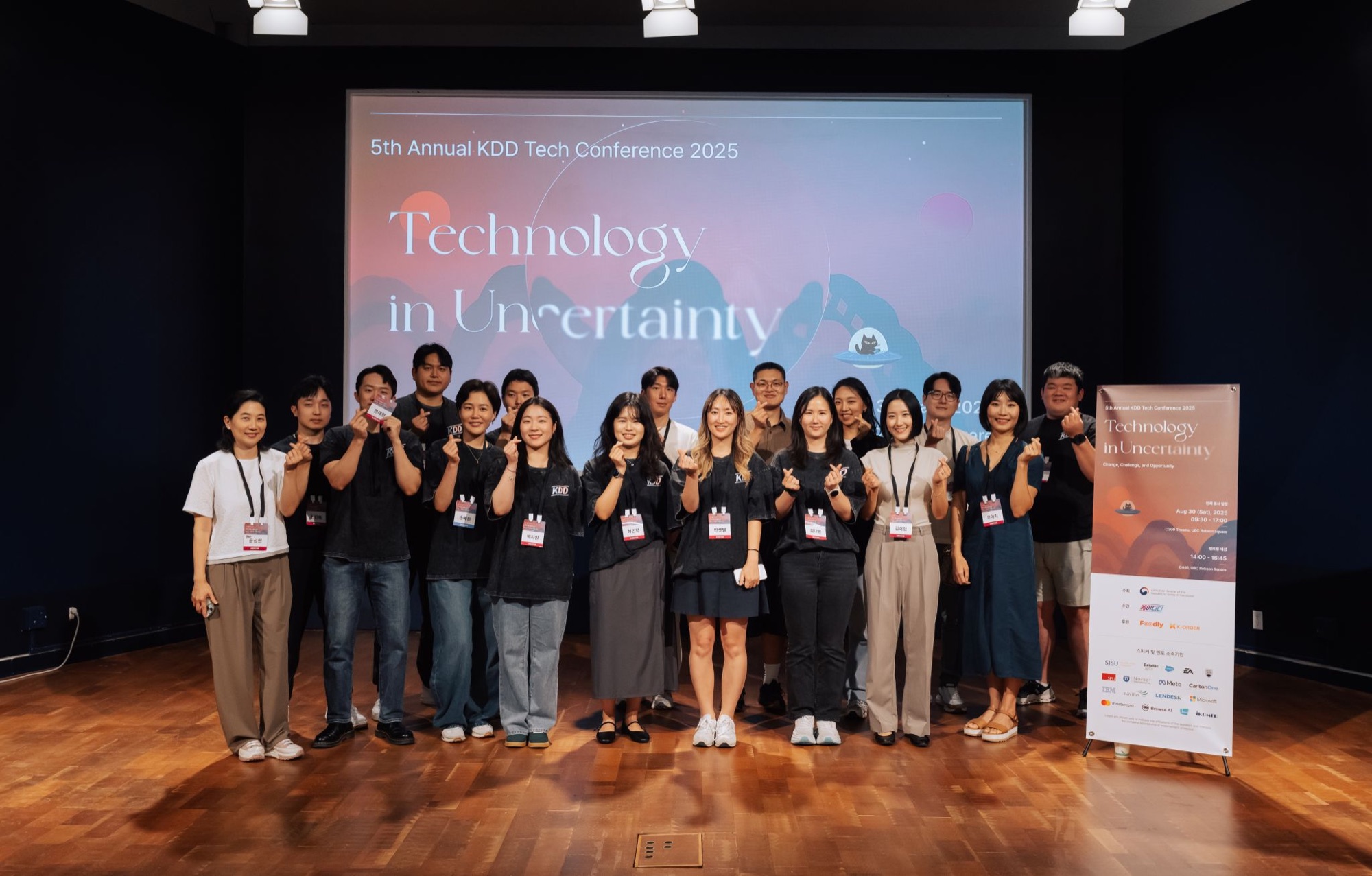
The official event recap highlighted the mentoring program alongside the speaker sessions. That pairing explains the format's value: talks widened the field of view, while mentoring narrowed it to one person's situation.
A mentor cannot choose the answer for someone else
I joined the event to share what I had learned, but stepping outside everyday work also gave me a wider view of technology and career. Conversations with people who were still exploring their path made familiar questions feel specific again.
A mentor cannot choose another person's career. The useful work is to listen, make trade-offs visible, and turn a broad concern into a decision the person can test.
KDD showed how the two scales can work together: a conference can open new directions, while one focused conversation can help a participant decide which one to test first.